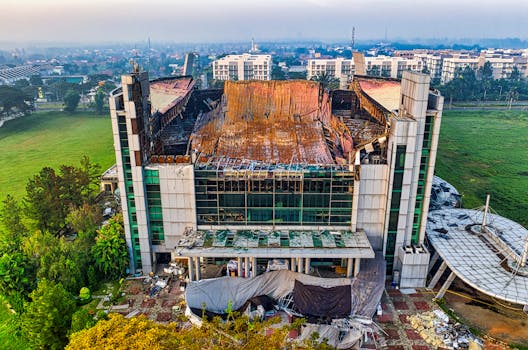
The insurance landscape is a complex ecosystem, and within it, certain entities carve out distinct niches. When we speak of the twin city fire insurance company, we’re not just referring to a provider of fire protection. Instead, a deeper analytical lens reveals a strategic entity whose presence, operational model, and market positioning warrant a more nuanced examination. It’s easy to fall into the trap of viewing all insurance companies through the same pragmatic lens of premiums and payouts. However, understanding the foundational intent and operational philosophy behind a specific player like a twin city fire insurance company offers a richer perspective on its broader economic and community impact.
Beyond the Policy: The Unique Value Proposition
At its core, any fire insurance company aims to mitigate financial risk stemming from fire-related damages. Yet, the “twin city” designation often implies a foundational commitment or a historically significant connection to a specific geographical locale, or perhaps even two closely linked urban centers. This isn’t merely a naming convention; it can translate into a more localized approach to underwriting, risk assessment, and customer service.
Geographic Specialization: A twin city fire insurance company may possess an unparalleled depth of knowledge regarding the specific fire risks prevalent in its namesake cities. This includes understanding local building codes, historical fire data, and even community-level fire prevention efforts.
Community Integration: Such an entity might be more deeply interwoven into the fabric of its operating communities. This can manifest as stronger relationships with local fire departments, emergency services, and community leaders, fostering a collaborative approach to risk management.
Tailored Product Development: While broad market trends influence all insurers, a twin city focus allows for the development of insurance products that are specifically attuned to the needs of businesses and homeowners within those particular urban environments. This could mean specialized endorsements or coverage tailored to unique industrial risks or residential demographics.
Navigating the Evolving Risk Landscape
The nature of fire risk is not static. Urban environments, in particular, are subject to a constantly shifting array of threats. From the proliferation of new materials and technologies that introduce novel fire hazards to the increasing density of urban structures, the challenges for fire insurers are multifaceted.
#### Addressing Emerging Fire Threats
Technological Advancements: The rapid adoption of new technologies, from advanced battery storage systems to complex electrical grids, introduces new fire vectors that require sophisticated risk modeling and underwriting. A forward-thinking twin city fire insurance company will be actively researching and adapting its policies to cover these evolving risks.
Climate Change Impacts: Increasingly, climate change is exacerbating fire risks through conditions like prolonged droughts and more frequent extreme weather events, which can lead to wildfires encroaching on urban peripheries. Insurers must account for these broader environmental shifts.
Urban Redevelopment and Density: As cities grow and redevelop, building density increases. This means a single fire event can have a much larger ripple effect, impacting multiple properties and businesses. Underwriting strategies must account for this amplified systemic risk.
The Underwriting Nuances of a Specialized Insurer
The underwriting process is the bedrock of any insurance operation, and for a twin city fire insurance company, it can be particularly intricate. It’s about more than just assigning a numerical risk score; it’s about building a comprehensive picture of the insured and the environment in which they operate.
Factors Influencing Twin City Fire Insurance Premiums
Property Characteristics: The age, construction materials, sprinkler systems, and fire detection technologies present in a building are paramount. For a twin city fire insurance company, this also includes understanding the specific building codes and historical compliance within its service areas.
Occupancy and Use: A commercial property housing a high-risk industry will naturally command different premiums than a residential dwelling. The insurer must assess the specific activities conducted on the premises and their inherent fire risks.
Location and Surrounding Environment: Proximity to fire hydrants, fire station response times, and the presence of combustible materials in adjacent properties all play a significant role. A twin city fire insurance company often has a hyper-local understanding of these factors.
Claims History: Both individual and aggregate claims data for a specific geographic area can influence premium setting. A history of frequent or severe fires in a particular neighborhood might lead to higher rates for all insurers operating there, but a specialized twin city company might have more granular data to differentiate risk.
Strategic Partnerships and Community Resilience
One area where a twin city fire insurance company can truly distinguish itself is through its proactive engagement with its community. This moves beyond a reactive claims process to a collaborative effort in building resilience.
#### Fostering Proactive Risk Mitigation
Educational Initiatives: Offering workshops or resources on fire safety for businesses and homeowners can significantly reduce claims over time. This demonstrates a commitment to the long-term well-being of the insured.
Collaboration with Local Authorities: Working closely with municipal fire departments on training exercises, fire code enforcement feedback, and understanding emerging threats can create a more robust fire safety net for the entire community.
* Investment in Local Infrastructure: While not always directly within their purview, insurers can advocate for or even contribute to improvements in fire suppression infrastructure, such as ensuring adequate water supply or supporting the modernization of fire stations.
Conclusion: A Deeper Integration for Enhanced Security
Ultimately, the examination of a twin city fire insurance company reveals an entity that often operates with a more profound connection to its operating environment. It’s about more than just covering fire damage; it’s about understanding the unique risks of a specific locale, fostering partnerships for community resilience, and adapting to an ever-changing risk landscape. For those seeking fire protection, understanding the potential for this specialized approach can lead to more tailored coverage and a stronger sense of security. When evaluating your fire insurance needs, consider whether a geographically focused insurer might offer a level of insight and partnership that broader, more generalized providers cannot match.